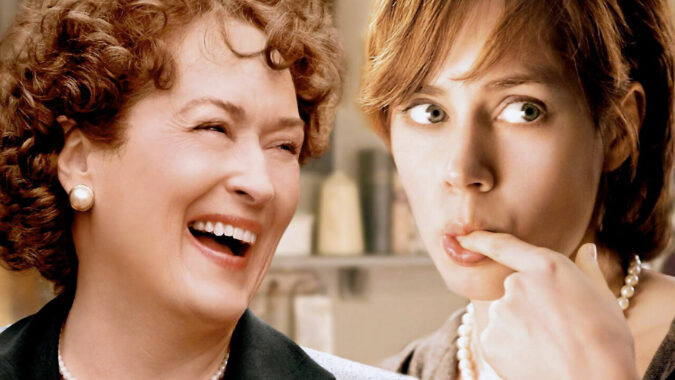
INTRODUCING YOUR HEROES: Julie & Julia
Arguably the most important portion of your story is the opening. This is where you must seduce your readers and audiences as you draw them…

Arguably the most important portion of your story is the opening. This is where you must seduce your readers and audiences as you draw them…

Q: What are the elements needed in a coming of age story? What kind of transformation are we looking for in the hero/main character?

Q: When I first introduce a character into a story, must I always give his or her last name? Is the first name enough? Must I name the character at all?

Now I want to reveal how you can ensure that your own stories – no matter how imaginative or fantastical – remain believable to your readers, your audiences and your customers.

Q: I’m writing a medieval love story full of intrigue, and the people I’m writing about actually did exist in the 15th century. But the story I am writing about those real people is a product of my fantasy.

In real world conversations, we almost never declare whom it is we’re talking to. So unless a character in your story is searching for someone, shouting at someone…
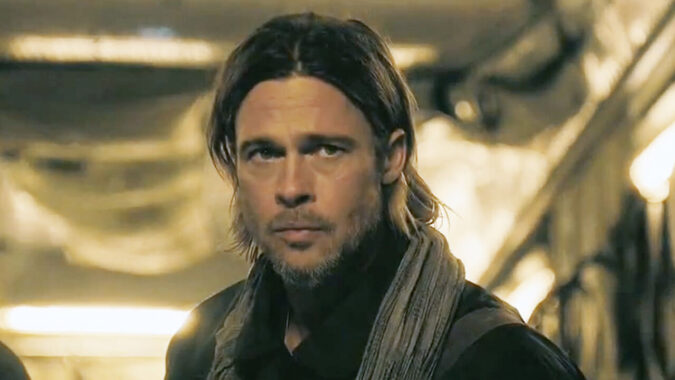
I once consulted with a screenwriter who complained when I told him his screenplay lacked credibility. “Movies aren’t ever real,” he argued.
Q: In Selling Your Story In 60 Seconds, you repeatedly stress the value of including antecedents — previously successful movies or novels that give agents…
Q: Having recently completed the first draft of my screenplay, I find the 2nd act is a real drag. The movie is about a person told from three distinct memories.
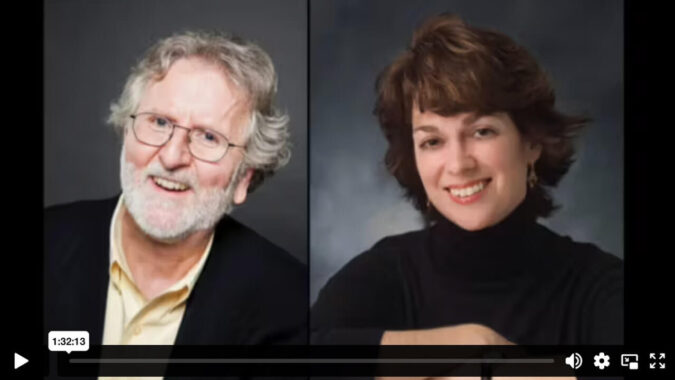
Award winning author Kristan Higgins joins Michael during his Story Mastery event for the Connecticut chapter of the RWA to discuss her best selling novel The Next Best Thing.
Send your questions to Michael and he’ll create a Q&A Article specifically for your question!