Last week, I began my breakdown of how the structural elements of the original AVATAR screenplay makes it so effective:
- Every scene, event and character contributes to the hero’s outer motivations.
- Each hurdle and obstacle the hero faces is greater than the last
- The pace of the story accelerates throughout
- There are peaks and valleys to the emotion
Let’s pick things up with principle #5. Following these techniques and suggestions will increase the emotional power of whatever story you’re telling -whether it’s for the stage, page, broadcast or screen.
- Create anticipation. Audiences and readers want to try to guess what’s going to happen next — they just don’t want to be right all the time. And while surprises and confrontations are often brief, anticipation can be prolonged almost indefinitely.
Just as the arrows in the tires create anticipation of the conflict to come, numerous scenes in Avatar create anticipation of the ultimate conflict between Jake and the mercenaries.
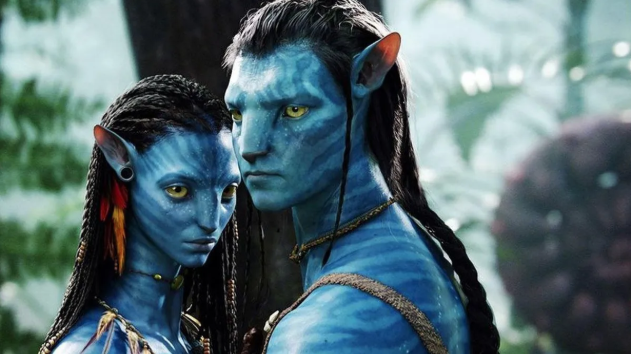
Neytiri’s resistance to teaching Jake creates anticipation of what he’ll have to do to prove his abilities and worthiness. And the early dialogue about the need for the breathing mask creates anticipation of the later scene where Jake can’t reach his, and is suffocating.
And one of the most effective “tricks” for creating anticipation is to…
- Give your audience superior position. Provide your followers and prospects with information that some of the characters in the story don’t have yet.
James Cameron’s script reveals that Jake is under orders from Quaritch before Grace figures it out; we know Jake’s hidden agenda regarding the unobtanium before the Na’vi do; we know Selfridge has ordered Quaritch to attack before Jake and the Na’vi do; and we know Jake is falling in love with Neytiri before she, her parents or Tsu’tey are aware of it.
All these instances of superior position create anticipation of the conflict that will result when the information we have is revealed to the characters in your story.
- Surprise the reader. Audiences don’t want to anticipate everything that happens in your story or screenplay. Sometimes you have to jump out and go “boo!” to keep them alert and involved.
A number of events in Avatar aren’t anticipated: Jake simply taking off and running in his avatar body; the encounter with the hammerhead titanothere, followed by the unexpected attack by the much scarier thanator; Trudy rescuing everyone from lock-up; the creatures of Pandora coming to the Na’vi’s defense in their battle with the mercenary army.
This principle is even more important in a comedy, thriller or horror film, where reversals create humor, shock and fear.
- Create curiosity. Don’t explain everything in your story as soon as it happens. Readers and audiences love puzzles, and they relish trying to figure out who committed the murder, how your successful clients were able to overcome (with your help) the obstacles they faced, and what your characters’ real motives are.
In Avatar, we’re curious about how Jake and the Na’vi will ever defeat Quaritch and his army. But earlier in the script we’re curious (among many other things) about what makes Pandora so threatening, who fired those arrows, when and how Jake will find and tame his banshee, and how he will win back the hearts of Neytiri and the other Na’vi after he’s betrayed them.
In the film clip at the beginning of Article #1 in this series, all of these principles are evident….
As we travel through the Hallelujah Mountains, we’re curious about what the excitement is about, we are given the superior position of knowing the team is headed there without Selfridge and Quaritch knowing, we anticipate what trouble they might encounter, the fog they encounter en route adds increasing conflict to their jeopardy, we’re surprised by what we see that defies gravity, and the trip is connected to Jake’s outer motivation of infiltrating and protecting the Na’vi.
Pretty impressive for one short scene.
But we’re not done yet. In the final chapter of these revelations about structural devices, you’ll learn about foreshadowing, echoing, jeopardy and time.