STORY ESSENTIALS #5: A Goal
Great stories are driven by desire. The hero of the story wants something, and the story is about the actions that character takes to achieve it.

Great stories are driven by desire. The hero of the story wants something, and the story is about the actions that character takes to achieve it.
Great stories are driven by desire. The hero wants something, and the pursuit of that goal keeps readers and audiences emotionally invested in its outcome.
As soon as you introduce the hero of your story, you must begin creating empathy with that character. Empathy is an absolutely critical component of drawing readers and audiences.
Every successful story begins with a setup – a sequence that introduces us to the hero, living his or her everyday life before beginning the journey that will define the story.

Your successful story must have a hero – a protagonist that your readers and audiences will be captivated by, identify with, and root for as he or she strives to achieve some compelling desire.

After reading your “Conflict #4: The Nemesis” article and considering the “coming of age/personal development” story I’m writing, you have me wondering what you would think about…
Is there a way to find an original motivation that is also strong enough for an adventure story? I want to avoid clichés: avenging a dead parent; seeking a treasure; winning the love of a prince.
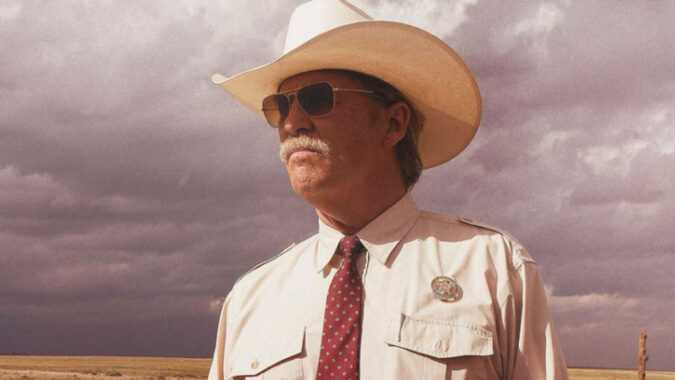
Building and accelerating the conflict your hero must face greatly increases the emotional impact of your story. So when you have a nemesis character trying to stop your hero from achieving…
Do you have any advice for people who are good at ideas, plots and dialogue bits but not so good at getting into the heads of their characters?
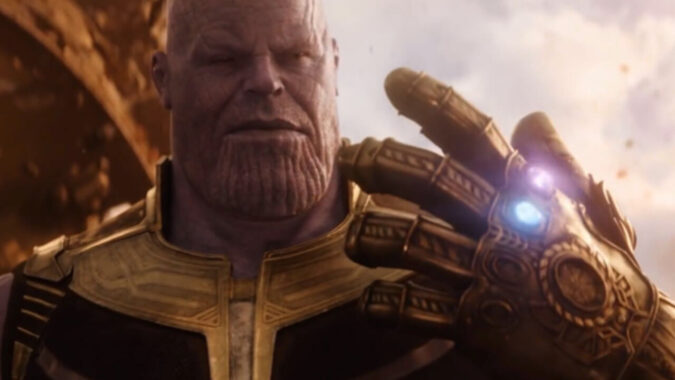
Back in the Bronze Age, when I was a kid watching even more TV than I do now, one of my favorite series was The Rocky and Bullwinkle Show.
Send your questions to Michael and he’ll create a Q&A Article specifically for your question!